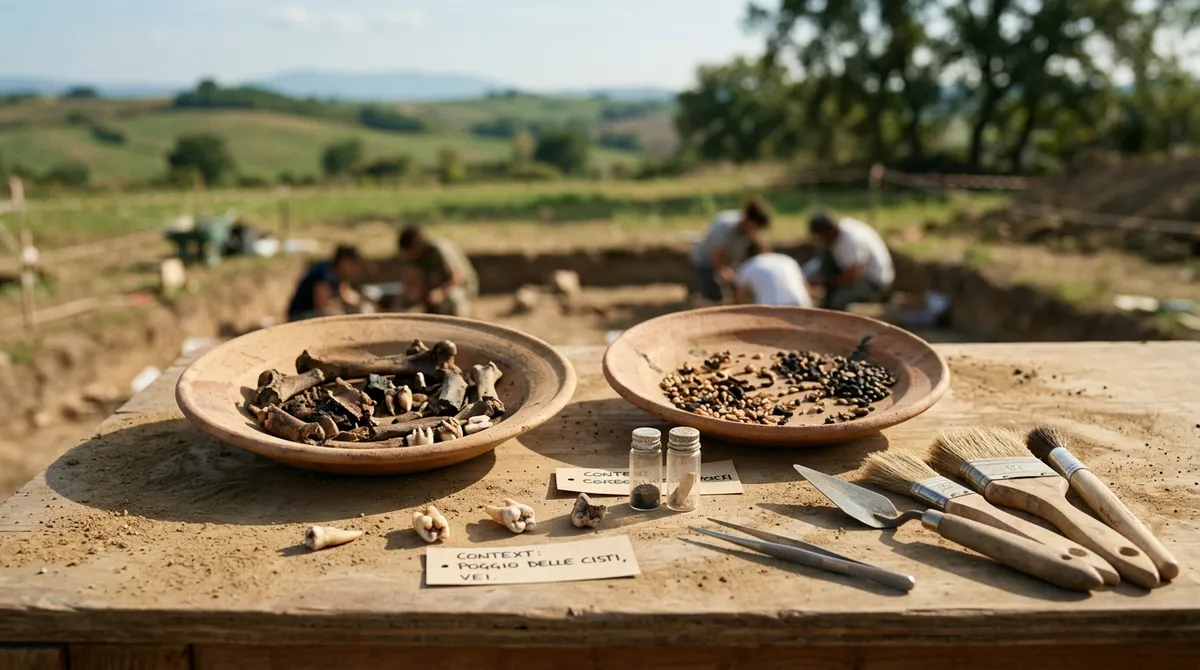
A recent bioarchaeological study of the Novilara necropolis in central Italy offers fascinating insights into life 2,700 years ago, particularly regarding diet and gender inequality within this ancient Picene community. By utilizing isotope analysis, researchers have reconstructed what people in this region ate and how their diets reflected broader societal structures, including access to food based on gender and social status.
Discovering Ancient Diets Through Isotope Analysis
Isotope analysis of human remains is a powerful tool in archaeology, allowing scientists to glean information about an individual's diet based on the chemical signatures left in bones and teeth. This method was applied in the Novilara necropolis study, shedding light on the nutritional disparities between men and women in this ancient community.
The Gender Gap in Food Access
The findings of the study revealed that men had significantly more access to animal protein compared to women. This diet disparity points toward a pronounced gender inequality in this ancient society, which is strikingly relevant to modern discussions about food access and gender. While men enjoyed a more substantial and protein-rich diet, women had limited access to the same resources, highlighting how deeply ingrained such inequalities were in daily life.
Migration and Mobility Reflected in Diet
Additionally, the study identified evidence of migration among some individuals in this community. Isotope analysis can reveal where a person may have been before they were laid to rest, suggesting that even in antiquity, movement and travel influenced lifestyles, diets, and access to food. This insight connects ancient dietary patterns to wider cultural and social dynamics at play, emphasizing that migration was not an isolated phenomenon but part of a larger tapestry of human experience.
Disparities in Death vs. Life
One particularly interesting aspect of the research was the relationship between grave goods and the actual living conditions of the buried individuals. While some were interred with elite burial items signifying status, the study suggests that these symbolic markers didn’t necessarily equate to a better quality of life. The luxurious artifacts may have represented social standing in death, but the diets and access to sustenance during life tell a different story—one of inequality and struggle.
Conclusion: Lessons from the Past
The Novilara necropolis study not only aids our understanding of food and social structures in a 2,700-year-old community but also prompts us to examine contemporary issues of gender inequality and social stratification in our own societies. Through these ancient dietary insights, we can reflect on the persistent patterns of inequality that echo through time, reminding us that while much may change in the world, the struggles for equality—whether in access to food or social status—often transcend generations. It's a compelling reminder to appreciate the connections between our past dietary practices and present-day challenges, providing a foundation for ongoing discussions on nutrition, equality, and social justice.